
Modern Peptides, Weight Loss Pills, and Injections Explained in Simple Terms
Modern peptides, weight loss pills, and injections have become popular tools for people trying to lose weight, improve metabolism, and change body composition. In countries like the United States, United Kingdom, Germany, Japan, China, Canada, France, Netherlands, Switzerland, Australia, Dubai, Finland, and Austria, many are curious about these options. The terms are often used interchangeably online, but they refer to different products with different ways of working, different levels of evidence, and different rules for use. Understanding the basics helps separate what is approved medical treatment from experimental research compounds.
Weight loss pills and injections that doctors prescribe are the most studied and regulated options. The biggest names right now are semaglutide (found in Ozempic and Wegovy) and tirzepatide (found in Mounjaro and Zepbound). These are not ordinary pills you swallow every day. They are injections given once a week under the skin using a pre-filled pen. Semaglutide copies a natural hormone called GLP-1. Tirzepatide copies both GLP-1 and another hormone called GIP. These hormones normally help control blood sugar after eating. In higher doses they also act on the brain to reduce hunger, make you feel full sooner, and slow down how fast food leaves the stomach.
Clinical studies show these treatments produce large results. People using tirzepatide at higher doses lose an average of 15 to 22 percent of their starting body weight over about 18 months. Semaglutide shows similar numbers, often 14 to 17 percent. This is much more than older diet pills or lifestyle changes alone. Beyond the scale, blood sugar levels improve, blood pressure often drops, cholesterol improves, and many people feel more energy and less joint pain. Doctors prescribe these for adults with obesity (BMI 30 or higher) or overweight (BMI 27 or higher) with conditions like high blood pressure, high cholesterol, or type 2 diabetes. They are not quick fixes. They work best when combined with eating fewer calories and moving more.
Side effects are common, especially in the first few months. Nausea, vomiting, diarrhea, constipation, and stomach pain happen to many users, usually while the dose increases. Most people find these symptoms get better over time. More serious risks include inflammation of the pancreas, gallbladder problems, and a possible link to thyroid tumors seen in animal studies. Doctors monitor patients closely and do not prescribe these drugs to everyone. In most listed countries, they require a prescription and regular check-ups.
Peptides are different. Peptides are short chains of amino acids that act as messengers in the body. Some peptides used for research aim to increase growth hormone release. Examples include Ipamorelin, CJC-1295, Tesamorelin, AOD-9604, and Fragment 176-191. These are not the same as GLP-1 drugs. They do not strongly suppress appetite or slow digestion. Instead, they try to raise natural growth hormone levels, which can help burn fat, preserve muscle during dieting, and improve recovery from exercise. Tesamorelin is approved in some countries for reducing belly fat in people with HIV-related fat changes, but most other peptides are sold only for laboratory research, not for human use or weight loss.
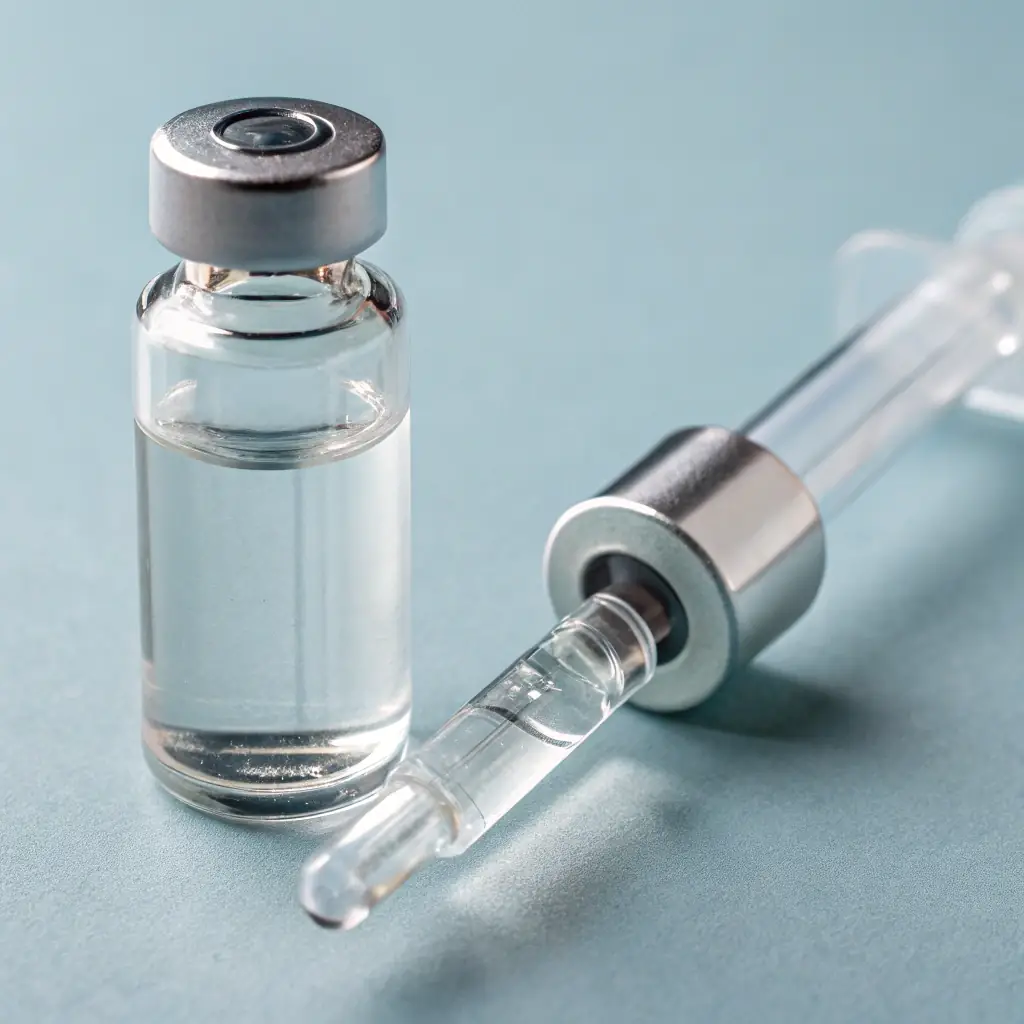
The results people report with research peptides are usually smaller than with prescription GLP-1 drugs. Fat loss might reach 5 to 12 percent over several months when combined with diet and training, but controlled human studies for obesity are limited or missing. Many users mix peptides (for example Ipamorelin with CJC-1295) to get stronger growth hormone pulses. These products come as powders in vials that must be mixed with sterile water before injection, usually daily or several times a week.
Safety and quality are major differences. Approved weight loss injections go through large clinical trials, strict manufacturing standards, and ongoing safety monitoring. Research peptides come from the unregulated online market. Quality varies widely. Some products are pure and correctly dosed, but others contain impurities, bacteria, wrong amounts, or no active ingredient at all. Injection risks include skin reactions, infections, or allergic responses if hygiene is poor. Long-term effects on hormones, insulin sensitivity, or other systems are not well studied in humans for weight loss purposes.
Legal rules are strict. In the United States, approved GLP-1 drugs are available only with a prescription. Research peptides are sold for “research use only” and not approved for human consumption. Similar rules apply in the United Kingdom, Germany, Sweden, Finland, Belgium, Netherlands, Australia, New Zealand, Canada, Switzerland, Japan, China, and Dubai. Importing or using research peptides for personal weight loss can violate laws in many of these places.
For those interested in researching peptides or related compounds, reliable sources matter. Explore high-quality options at onlinepeptidesdelivery.com, including liquid peptides, peptides, bulk peptides, collections, and the full site onlinepeptidesdelivery.com. Learn more about peptide science at wikipedia.org/wiki/Peptide, ukmushroom.com, UKMUSHROOM.UK, and WorldScientificImpact.org.
Approved medical weight loss treatments offer larger, more predictable results with doctor supervision but require commitment and can be expensive. Research peptides target different body systems with smaller, less certain effects and higher risks around quality and legality. Neither replaces healthy eating, exercise, sleep, and stress management. Always talk to a qualified healthcare professional before starting any treatment. The truth is that results depend on realistic expectations, proper use, and individual response.