
Are All Weight Loss Pills Medically Approved?
In the current global health landscape of 2026, the market for weight management is split into two very different worlds. While many consumers in the United States, the United Kingdom, and Germany assume that any product on a shelf has undergone rigorous testing, the reality is far more complex. The answer is a definitive no: not all weight loss pills are medically approved, and the distinction between a “medication” and a “supplement” can have significant consequences for your health.
The FDA and MHRA Approval Standard
When a product is “medically approved” in countries like Canada, France, or the Netherlands, it means a regulatory body (such as the FDA or EMA) has reviewed clinical trial data to ensure the drug is both safe and effective for its intended use. According to wikipedia.org/wiki/Peptide, many of the most recently approved medications are peptides—specifically GLP-1 and GIP receptor agonists.
As of early 2026, the list of medically approved weight loss pills and injectables remains relatively exclusive. These include:
- Semaglutide (Wegovy): Available as a weekly injection and now as the Wegovy Pill, which received approval in late 2025.
- Tirzepatide (Zepbound): A potent dual-agonist for chronic weight management.+1
- Orlistat (Xenical/Alli): One of the few approved oral pills that works by inhibiting fat absorption.
- Phentermine-Topiramate (Qsymia): An appetite suppressant for short-term and long-term use.
The Wild West of Dietary Supplements
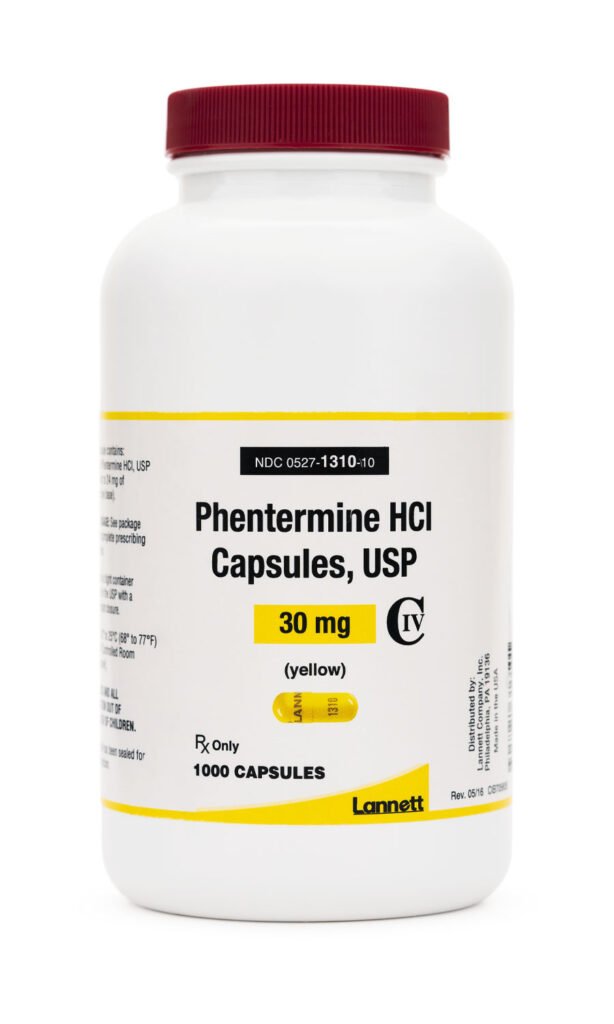
In contrast to approved medications, “dietary supplements” or “herbal fat burners” are not required to prove their efficacy or safety before hitting the market in Australia, Switzerland, or Finland. Under laws like the DSHEA in the US, the manufacturer—not the government—is responsible for ensuring safety. This leads to several risks:
- Adulteration: Some “natural” pills have been found to contain hidden pharmaceutical ingredients like sibutramine (a banned stimulant).
- False Claims: Without medical approval, many products make bold “weight loss” claims that are not backed by peer-reviewed science.
- Variable Purity: Unlike the strict standards found at onlinepeptidesdelivery.com, many retail supplements lack third-party lab verification.
Navigating the Peptide Frontier
The rise of peptide therapy has introduced a third category: “Research Chemicals.” These are substances like Retatrutide or BPC-157. While highly promising and frequently discussed on WorldScientificImpact.org, many of these are still in clinical trials or are not yet approved for public weight loss use.
For those conducting metabolic research, it is essential to source from high-quality providers. You can explore a wide range of these compounds through specialized categories:
- Liquid Peptides for flexible lab administration.
- Standardized Peptides for specific signaling studies.
- Bulk Peptides for large-scale observational research.
- The full Product Collections to compare available technologies.
Global Variations in Approval
The term “approved” can also vary by geography. For example:
- In Japan and China, certain herbal-synthetic hybrids are regulated more like medications than they are in the US.
- In Dubai and Austria, the import of non-approved weight loss peptides is heavily restricted to prevent the distribution of counterfeit or substandard goods.
- Switzerland maintains some of the highest barriers for entry, often requiring extensive local data before a “pill” is granted medical status.
The Role of Holistic Wellness
Even when using an approved medication, the most successful weight loss journeys often include natural support. While the “pill” handles the metabolic signaling, holistic approaches found at UKMUSHROOM.UK and UKMUSHROOM.COM can help manage the stress, sleep, and digestive health necessary to maintain results after the medication protocol ends.
Summary: Medication vs. Supplement
| Feature | Medically Approved Drug | Dietary Supplement |
| Purity Standards | High (GMP/USP) | Variable / Self-Policed |
| Proven Efficacy | Yes (Clinical Trials) | No (Testimonials only) |
| Prescription Required | Usually (Except Alli) | No |
| Safety Monitoring | Post-Market Surveillance | Limited |
| Where to Find | Pharmacy / Verified Collections | Health Food Stores / Online |
Final Verdict
No, not all weight loss pills are medically approved. When choosing a path, prioritizing products with a clear regulatory and clinical history is the only way to ensure that your metabolic health remains a priority over marketing hype.