
The 2026 Weight Loss War: Weekly Injections vs. New Daily Pills
The weight loss landscape in 2026 has become a clear battleground between two dominant approaches: long-acting weekly injections and the new wave of daily oral pills. Millions in the United States, United Kingdom, Germany, Japan, China, Canada, France, Netherlands, Switzerland, Australia, Dubai, Finland, and Austria are actively comparing these options as obesity rates remain high, diabetes complications rise, and people seek sustainable ways to lose 15–25% of body weight without constant hunger or extreme lifestyle overhauls. Weekly injections (tirzepatide/Zepbound/Mounjaro, semaglutide/Wegovy/Ozempic, retatrutide in late-stage trials) currently hold the lead in real-world results, but daily pills (oral semaglutide/Rybelsus successors, orforglipron, danuglipron, amycretin, and emerging dual/triple agonists) are closing the gap fast with better convenience and lower cost potential. The “war” is no longer about which is possible — both work — but which fits real life better in 2026.
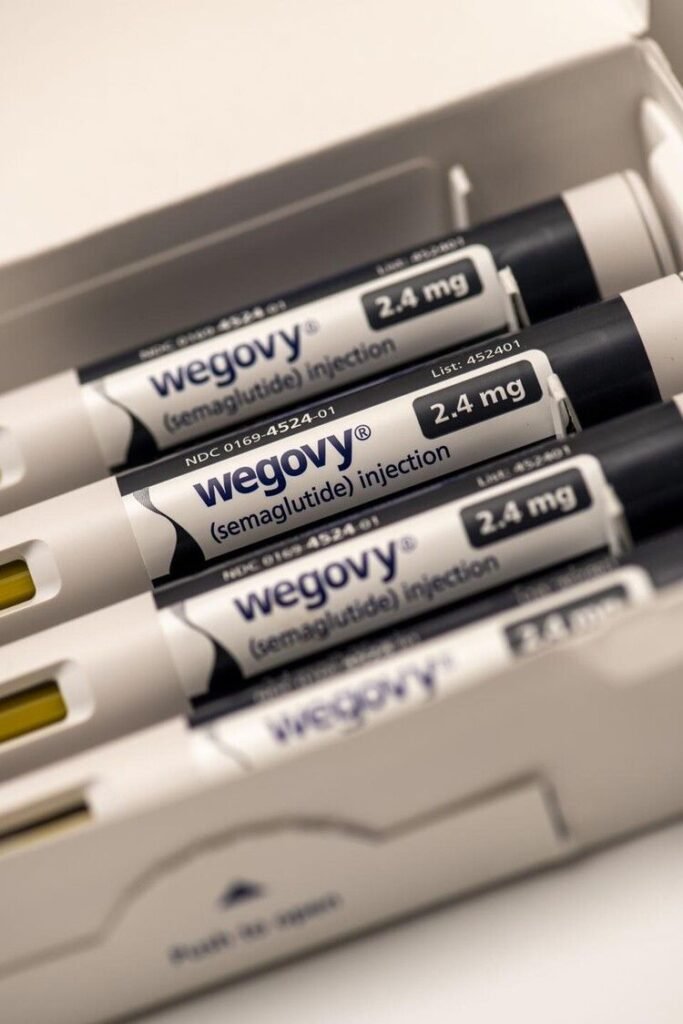
Weekly injections remain the gold standard for substantial, clinically proven weight loss. Tirzepatide (dual GLP-1/GIP agonist) and semaglutide (GLP-1 agonist) consistently deliver average losses of 15–22% of starting body weight over 68–72 weeks in phase 3 programs (SURMOUNT, STEP, SURPASS series). Real-world registries in 2025–2026 show similar numbers outside trials: 12–18% average loss at 12 months among adherent patients. The mechanism is powerful: delayed gastric emptying, strong appetite suppression via hypothalamic signaling, glucose-dependent insulin release, and reduced glucagon. Weekly dosing improves adherence compared to daily orals, and the subcutaneous pen format (pre-filled KwikPens or auto-injectors) is simple once learned. Side effects are well-characterized — mostly gastrointestinal (nausea, vomiting, diarrhea, constipation) during titration — and tend to improve over time. Serious risks (pancreatitis, gallbladder events, thyroid C-cell concerns in rodents) remain rare in humans but require monitoring. These injections are especially favored for people with type 2 diabetes, severe obesity (BMI ≥35–40), or obesity-related comorbidities where 15–20%+ loss dramatically improves blood pressure, lipids, liver fat, sleep apnea, and joint pain.
New daily pills are the rising challenger because they eliminate needles entirely. Oral semaglutide (Rybelsus) was the first proof-of-concept, but its absorption is limited (requires fasting and strict timing), leading to lower average weight loss (around 8–12%) than injections. The next generation of small-molecule GLP-1 receptor agonists (orforglipron, danuglipron, GSBR-1290, amycretin) and dual/triple agonists are changing that. Orforglipron and danuglipron have shown 12–15% average weight loss in phase 2 trials with good tolerability and no food/water restrictions. Amycretin (oral dual GLP-1/amylin agonist) posted early phase 1/2 results of up to 13% loss at 12 weeks — faster than most orals. These pills are taken once daily with or without food, cost less to manufacture than peptides, and could dramatically improve long-term adherence for people who refuse or cannot tolerate injections. Side effects mirror injections (nausea, GI upset) but often appear milder at equivalent efficacy. The convenience factor — no fridge storage, no needles, no injection-site reactions — makes daily pills the most realistic long-term option for many.
Head-to-head comparisons highlight the trade-offs. Weekly injections currently win on raw weight loss percentage and speed of results. Tirzepatide frequently outperforms semaglutide by 5–7% body weight in matched cohorts, and both outpace oral options available today. However, daily pills are catching up fast in phase 2/3 data, and real-world adherence is expected to favor orals once approved. Injections require cold-chain logistics and needle tolerance; pills fit any lifestyle without those hurdles. Cost is another major differentiator: branded injections remain expensive ($900–1,400/month without insurance/coupons), while small-molecule orals are projected to launch at lower prices due to easier manufacturing. Compounding pharmacies have helped bridge the gap for injections, but regulatory crackdowns in 2025–2026 have made that route less reliable.
Both categories share the same core mechanism (GLP-1 receptor agonism, with some adding GIP or amylin), so benefits beyond scale weight are similar: improved insulin sensitivity, reduced liver fat, better blood pressure, favorable lipid shifts, and decreased inflammation. The choice often comes down to lifestyle fit. Injections suit people who prefer once-weekly dosing and are comfortable with needles, especially if they need the highest possible efficacy. Daily pills appeal to those who refuse injections, travel frequently, dislike cold storage, or want lower long-term cost. Combination approaches (injection to reach goal weight, then oral for maintenance) are also being discussed as a practical future strategy.
Safety profiles are comparable when dosed correctly. Gastrointestinal side effects dominate both (nausea most common, usually worst during escalation), but tend to improve with time or slower titration. Gallbladder events, pancreatitis, and thyroid concerns remain rare but monitored. Muscle loss during rapid weight reduction is a shared issue — strength training and adequate protein intake are now standard recommendations for both formats.
For those researching peptides, GLP-1 analogs, and related compounds, trusted sources are essential. Explore high-quality research materials at onlinepeptidesdelivery.com, including liquid peptides, peptides, bulk peptides, collections, and the main site onlinepeptidesdelivery.com. Learn more about peptide science at wikipedia.org/wiki/Peptide, ukmushroom.com, UKMUSHROOM.UK, and WorldScientificImpact.org.
The 2026 weight loss war is no longer about whether injections or daily pills win — both are effective — but which one people will actually stick with long-term. Weekly injections currently lead in raw efficacy, while daily pills are closing the gap fast with unmatched convenience. The real winner will likely be the option that best matches individual lifestyle, tolerance, cost, and long-term goals.